



How Much Does Car Rental Insurance Cost?
Car rental insurance can be expensive, with daily costs ranging from $31 to $60. However, if you opt for a third-party company, you may be able to get cheaper coverage. For example, for a typical driver, Allianz offers coverage for just $11 per day over a five-day trip, totaling $55. Prices vary depending on the company, vehicle, and location. Generally, you’ll be offered four types of rental car coverage: Loss Damage Waiver (LDW), Liability Coverage, Personal Accident Insurance and Personal Effects Coverage. For instance, with Enterprise Rent-A-Car, the total cost of all four types of coverage is around $60 per day. Before purchasing any type of coverage, make sure you are familiar with the limits, exclusions and requirements. You may already be covered by your insurance policy or credit card’s policy.

YoGi Prime Trunk and Backseat Car Organizer
- Premium Heavy-duty Design: Reinforced side walls and non-slip bottom to keep the box organizers in place.
- Privacy Cover: Increases storage capacity and prevents small items or grocery bags from spilling out.
- Heavy-duty Materials: Designed to last for years.
- Lifetime Warranty: Risk-free purchase with a money-back guarantee. No games, no fuss, no runarounds.
- Quantity Discounts: Save 5% on a purchase of 2 and 10% on 3 or more backseat interior organizers.

K KNODEL Car Trunk Organizer with Lid
- Premium Car Trunk Organizer: Suitable for all kinds of vehicles, offering large storage capacity and keeping everything organized for a clean and tidy car.
- High Quality: It is made of high-quality 600D Oxford Polyester material with reinforced handles, making it durable and long-lasting, and features a non-slip bottom to prevent sliding.
- Multipurpose: The smart multipurpose design includes sturdy walls, 2 base plates, 1 slider divider, and 4 mesh pockets for smaller items, as well as 3 side pockets for quick access.
- Easy Installation: It is easy to install, collapse, and clean, and comes with a sturdy and foldable cover for enhanced organization efforts.
- Customer Service: Customer support is provided with a 180-day full refund or replacement for any reason and a 12-month warranty for quality issues.
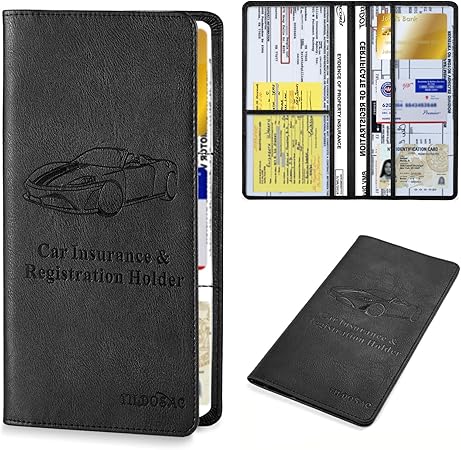
TILDOSAC Car Registration & Insurance Card Holder
- Well-Organized: Designed to keep important documents such as registration and insurance card, business cards, emergency information, paperwork, and gas card well-organized in one place.
- See-Through Design: The transparent material allows the owner to easily find the right document without having to fish through everything.
- Secure and Protective: The holder has 6 clear sleeves to securely store gas cards, car registration and insurance information, protecting them from damage or loss.
- Exquisite Craftsmanship: Made of high-quality materials such as sleek and trim PU leather and heavy-duty vinyl PVC, making it durable, anti-scratch, and tear-resistant.
- Slim Design with Enough Space: The slim, lightweight design is perfect for placement in any glovebox or console, and fits documents up to 9″x 4.7″(23cm x 12cm) while still having enough space to hold all you need. Suitable for cars, minivans, sedans, motorcycles, and boats.

Lusso Gear Car Organizer for Front Seat or Car Seat
- Organize: The Lusso Gear Car Front Seat Organizer helps declutter your front seat and organize your office and travel supplies in your vehicle.
- Fits Any Vehicle: It fits in any vehicle and is easy to install by attaching the strap to the passenger car seat headrest and adjusting to your preferred height.
- Multiple Compartments: The organizer is designed to provide multifunctional compartments and pockets for easy access, catering to different automotive users, including road warriors, soccer moms, and those who need a high-quality mobile office organizer.
- Stylish: The organizer is stylish and sturdy, and it comes with a built-in security flap that conceals the contents of your organizer and acts as a theft deterrent.

- Large Capacity and Foldable Design: L7.5″ x H11.5″x W7.5″ with a waterproof lining that is easy to clean and can be folded for storage when not in use.
- Superior Durability and Waterproof: Made of premium Oxford Polyester material, sturdy and firm, with a waterproof lining to prevent leaks and spills.
- Multi-functional Use: Features two side mesh pockets and a front pocket that can be used for storage of small items such as tissues, snacks, and drinks.
- Smart Multipurpose Design: The separated lid design allows for the use of disposable garbage bags while keeping the lid closed.
- Easy to Install: Adjustable straps with buckle for hanging in various locations such as the front or back of a seat, center console, glove box, or gear stick, and an elastic strap with hook to keep the bag in place and prevent spills.
Can You Get Insurance for a Rental Car if You Don’t Own a Car?
1. Yes, you can get insurance for a rental car if you don’t own a car.
If you don’t own a car but still need auto insurance for a rental car, there are several options available to you. Here are the steps to get rental car insurance:
1. Check your current policy. If you are already insured through your own auto insurance policy, it may provide coverage for rental cars as well. Check your policy to see if that’s the case.
2. Buy car rental insurance from the rental agency. If you don’t have your own car insurance, many rental car companies offer supplemental insurance that you can purchase.
3. Purchase a non-owner’s auto insurance policy. Non-owner auto insurance policies are designed specifically for people who don’t own their own cars but still want to be covered while driving.
4. Use your credit card. Many credit cards include rental car insurance as a benefit. Check to see if your credit card offers this type of coverage.
5. Get coverage through a third party provider. You can also explore other third-party providers such as Esurance or GEICO for rental car insurance.
No matter what option you choose, it is important to make sure you have the right amount of coverage in case of an accident. Pay attention to the details and read the policy carefully before you sign up for any type of automobile coverage.
2. Most insurance companies will offer insurance coverage for rental cars.
When renting a car, a renter may be offered a variety of different insurance coverage options from the rental company. These typically include liability coverage, personal accident insurance, collision damage waiver (CDW) or loss damage waiver, and personal effects coverage.
Liability coverage provides protection for any third-party damages or injuries you may cause while operating the rental vehicle. Personal accident insurance covers medical expenses for the rental driver and passengers in the event of an accident.
Collision damage waiver (CDW) or loss damage waiver covers any physical damage to the rental vehicle, including theft, if an accident occurs while the car is being driven. Personal Effects Coverage provides protection for any personal items that may be damaged or stolen while the vehicle is being rented.
It is important to check your personal auto insurance policy before renting a car to determine if you are already properly covered and can decline the offered coverage from the rental company. Additionally, many credit cards offer car rental insurance as a perk, so it is worth asking your credit card company what is covered before you rent.
3. You can usually get insurance coverage for a rental car even if you don’t own a car.
If you don’t own a car, you can still get insurance coverage for a rental car. Here’s a step-by-step guide on how to do this:
1. Check if you have personal vehicle insurance: Personal auto insurance policies usually extend at least some coverage to cars that you rent. So, if you have your own car insurance policy, you can usually skip any extra rental car coverage.
2. Get additional insurance: If you don’t already have your own insurance, you may need to buy some from the rental agency. Look into purchasing additional liability insurance and a collision or loss damage waiver. You can also get extra liability insurance for a rental car from a third-party company, like Allianz or Bonzah, which offer lower rates than most rental car companies.
3. Use your credit card: Renting the car using your credit card may provide additional coverage. Check with your credit card company to see what kind of coverage they offer.
Following these steps will help you get the coverage you need for your rental car, even if you don’t own a car.
4. You can usually get insurance coverage for a rental car if you have a car insurance policy.
If you don’t own a car and need insurance coverage for a rental car, there are a few options available.
First, check your auto insurance policy or contact your provider to see if rental car coverage is already included. In most cases, comprehensive and liability coverage on your personal car will extend to your rental car if you’re renting a car in the U.S.
If your personal auto insurance policy doesn’t cover rentals, you have the option of buying additional insurance from the rental car company or getting a standalone policy through a third party.
You can also use a credit card for car rental automobile insurance, as many cards offer it as a perk. To take advantage of this coverage, you’ll need to use the card for the rental. Beforehand, call your credit card company to find out what’s covered and what the exclusions are.
Finally, you can also look into travel insurance policies to see if they offer coverage for rental cars.
No matter what option you choose, it’s important to make sure you have enough coverage to protect yourself in the event of an accident.
5. You can usually get insurance coverage for a rental car if you have an umbrella insurance policy.
If you don’t own a car but need insurance coverage for a rental car, there are a few options. First, you should check your existing auto insurance policy to see if it covers rentals. If it does, you can decline any additional coverage offered by the rental company.
If you don’t have auto insurance, you can buy non-owner car insurance, which provides coverage for vehicles you don’t own. This is a good option if you will be driving a lot when you travel.
You can also buy coverage for rental cars through a third-party company, like Allianz or Bonzah, which offer lower rates than most rental car companies.
Finally, if you are traveling for business, check with your employer to see if you are covered for rental car insurance.
No matter what option you choose, it is important to be aware of the rental car company’s policy and to always confirm your policy’s details with your insurer.
6. You can usually get insurance coverage for a rental car if you have a motorcycle insurance policy.
If you don’t own a car, you may not have auto coverage. To get insurance coverage for a rental car, you should first check your auto insurance policy or contact your provider to see if rental cars are covered. If not, you may need to get rental car insurance.
Step 1: Check your auto insurance policy or contact your provider to see if rental cars are covered.
Step 2: Consider purchasing additional rental car insurance from the rental car company.
Step 3: Check to see if your credit card provides rental car insurance.
Step 4: Consider purchasing third-party rental car insurance from Allianz or Bonzah that may offer lower rates than the rental car company.
7. Some insurance companies will provide coverage for a rental car even if you don’t own a car.
Some insurance companies will provide coverage for a rental car even if you don’t own a car. This can be a great way to save money on rental car insurance. For example, many credit cards offer rental car coverage, and third-party companies like Allianz and Bonzah offer standalone policies that are cheaper than most rental car companies. Additionally, some car insurance companies offer non-owner policies, which provide liability coverage for when you borrow a friend’s car or rent a car.
8. You can usually get insurance coverage for a rental car if you have a homeowners insurance policy.
If you don’t own a car, you may need insurance coverage for a rental car. The first step is to check your auto insurance policy, or contact your provider to see if coverage for rental cars may be included. If you do not have an auto insurance policy, you have a few options for obtaining insurance coverage for a rental car.
You can purchase additional coverage from the rental car company, or use a credit card to cover your rental car insurance. You can also get a standalone policy through a third party, such as Allianz or Bonzah, which offer lower rates than the rental car companies.
Finally, you can opt for a non-owner policy, which will cover you for basic liability on your own policy instead of someone else’s. This can be beneficial if you want to borrow a friend’s car and you don’t want to risk raising their insurance rates.
No matter what option you choose, it is important to understand your coverage and make sure you are adequately protected.
9. Insurance companies will usually provide coverage for a rental car if you have a boat insurance policy.
Step 1: Check your existing auto insurance policy to see if boat insurance is included. If so, your policy may cover any damage to the rental boat.
Step 2: If your auto insurance doesn’t cover boat rentals, contact your provider to see if it offers an additional boat insurance policy.
Step 3: If your provider doesn’t offer boat insurance, shop around for a third-party provider that does. Compare policies to find the best coverage for the lowest price.
Step 4: Once you’ve chosen a policy, contact the rental company to make sure it is accepted and to make arrangements for the insurance to be added to your rental agreement.
Step 5: When you pick up the rental boat, make sure to get a copy of the rental agreement and verify that the insurance has been added.
Step 6: Before you set off, read through your insurance policy and make sure you understand the terms and conditions.
10. You can usually get insurance coverage for a rental car if you have a renters insurance policy.
If you don’t own a car and need insurance coverage for a rental car, there are a few options you can explore.
Step 1: Check your auto insurance policy to see what type of coverage for rental cars may already be included. If you carry comprehensive and liability coverage on your personal car, coverage typically will extend to your rental car within the United States.
Step 2: If you don’t have a personal auto policy, you can buy additional insurance from the rental car company.
Step 3: Consider using a credit card for coverage. Many credit cards offer car rental insurance as a perk. To take advantage of that coverage, you have to use the card for the rental and make sure you know exactly what’s covered and what the exclusions are by calling your credit card company before you rent.
Step 4: You can even get extra liability insurance for a rental car from a third-party company, like Allianz or Bonzah, which offer lower rates than most rental car companies.
No matter which option you choose, make sure you are aware of and understand the coverage you are getting for your rental car in order to be adequately protected.
What are the Alternatives to Renting a Car with No Car of Your Own?
1. Get insurance coverage for your rental with your regular car insurance
Step 1: Check your personal auto insurance policy or contact your provider to see what type of coverage for rental cars may already be included.
Step 2: Ask yourself if you are already covered by another policy, such as a family policy or your job’s health insurance policy. Additionally, find out if your travel insurance covers rental cars.
Step 3: Determine if your credit card offers car rental insurance as a perk. Call your credit card company to find out exactly what’s covered and what the exclusions are before you rent.
Step 4: Consider purchasing additional auto insurance coverage from the rental company if you are renting a car of higher value than your personal car.
Step 5: Familiarize yourself with your rental car company’s insurance coverage. Most rental companies will only automatically cover the state minimum required liability insurance.
Step 6: If you have your own car insurance policy, you can usually skip any extra rental car coverage.
Step 7: If you need rental car insurance, consider getting extra liability insurance and a collision or loss damage waiver. You can also get extra liability insurance from a third-party company, like Allianz or Bonzah.
2. Get a liability policy for the rental car with an insurance company
1. Check your personal auto insurance policy to see if it already provides coverage for rental cars. If not, you will need to purchase rental car insurance.
2. Contact an insurance company and inquire about their rental car liability insurance policy.
3. Provide the insurance company with details about your rental, such as the make and model, how long you plan to rent it, and where you will be traveling.
4. Ask the insurance company about the coverage limits and any additional fees associated with the policy.
5. Ask about any discounts that may apply to your rental policy, such as for multiple drivers or for longer rental periods.
6. Choose the rental car liability policy that best meets your needs and budget.
7. Make the payment for the policy and obtain a copy of the insurance documents.
8. Present the documents to the rental car company when you pick up the vehicle.
3. Cover the rental car with your home insurance
Having home insurance can help you avoid the cost of renting a car if you do not have your own car. This is because home insurance may provide coverage for rental cars in the United States. If you have comprehensive and liability coverage on your personal car, it typically extends to your rental car. Therefore, if you are renting a car of similar value to your own car, your auto insurance coverage may be enough to cover the costs of the rental car, allowing you to avoid the cost of a car with no car of your own. Additionally, many credit cards offer car rental insurance as a perk, so you should check the policy of your rental company and the coverage of your credit card to see if you are already sufficiently covered and able to decline the offered coverage from the rental company.
4. Add a personal belongings coverage to your home insurance
Adding a personal belongings coverage to your home insurance can help you avoid the costs of renting a car with no car of your own by providing an insurance coverage for your personal belongings in the rental car, which will cover up to a set dollar amount if your belongings are stolen or damaged. This can be especially beneficial if you are traveling with valuable items, such as electronics, as you won’t have to purchase the rental car company’s optional personal effects coverage. Additionally, if you already have a homeowners or renters insurance policy, you can take advantage of the coverage that extends to your personal belongings while you’re traveling, and you can file a claim if your items are stolen, although it may affect your rates.
5. Get a car-sharing plan
Step 1: Check your auto insurance policy or contact your provider to see what type of coverage for rental cars may already be included in your personal auto insurance policy.
Step 2: Consider purchasing the extra auto insurance coverage offered by the rental company if you’re renting a car in the U.S. of a different value than your personal car.
Step 3: Purchase car-sharing insurance if you’re a frequent car renter. This will save you money over purchasing additional liability insurance every time you rent a car and ensures that you can drive without worry whenever you rent.
Step 4: Consider purchasing an annual non-owner car insurance plan if you rent cars frequently.
Step 5: Pay for the rental car with a credit card that includes a primary vehicle damage waiver.
Step 6: Research car-sharing programs in your local area to find one that best meets your needs.
Step 7: Sign up with the car-sharing program of your choice. This can typically be done online or in person.
Step 8: Once you’ve signed up, make sure to read over the terms and conditions of the car-sharing program.
Step 9: Follow the instructions on how to reserve a car for a specific time period.
Step 10: Pick up the car at the designated time, and enjoy your car-sharing experience!
6. Renting a car and adding liability coverage with a credit card
Step 1: Check your credit card agreement or call the number on the back of your card to determine if your credit card offers rental car insurance and what type of coverage it includes.
Step 2: Understand the requirements and exclusions of your credit card’s coverage. For example, some policies may exclude long-term rentals or certain types of vehicles.
Step 3: Check to see if the credit card provides primary or secondary rental car coverage. Primary coverage is rarer and means you can file a claim with the credit card benefits administrator before filing a claim with your own car insurance or homeowners insurance.
Step 4: Book the rental car using the credit card to qualify for coverage.
Step 5: Decline the car rental company’s coverage in order to use your credit card’s insurance coverage.
Step 6: File a claim within the time frame specified by the credit card policy, if necessary.
Step 7: If the credit card policy covers the damage, you won’t have to pay the deductible on your own insurance policy or worry about your premiums increasing.
7. Get an umbrella policy to cover additional coverage
An umbrella policy can provide additional liability coverage for car rentals if you don’t own a car or if you have minimal liability coverage on your existing auto policy. This coverage can help to pay for damages or injuries in the event of an accident. Umbrella policies provide higher liability limits than what is typically included in a standard auto insurance policy, and can provide financial protection in the event of a lawsuit or other unforeseen costs. It’s important to check the details of your policy and confirm the coverage limits with your insurer before renting a car.